

Weight Loss Surgery
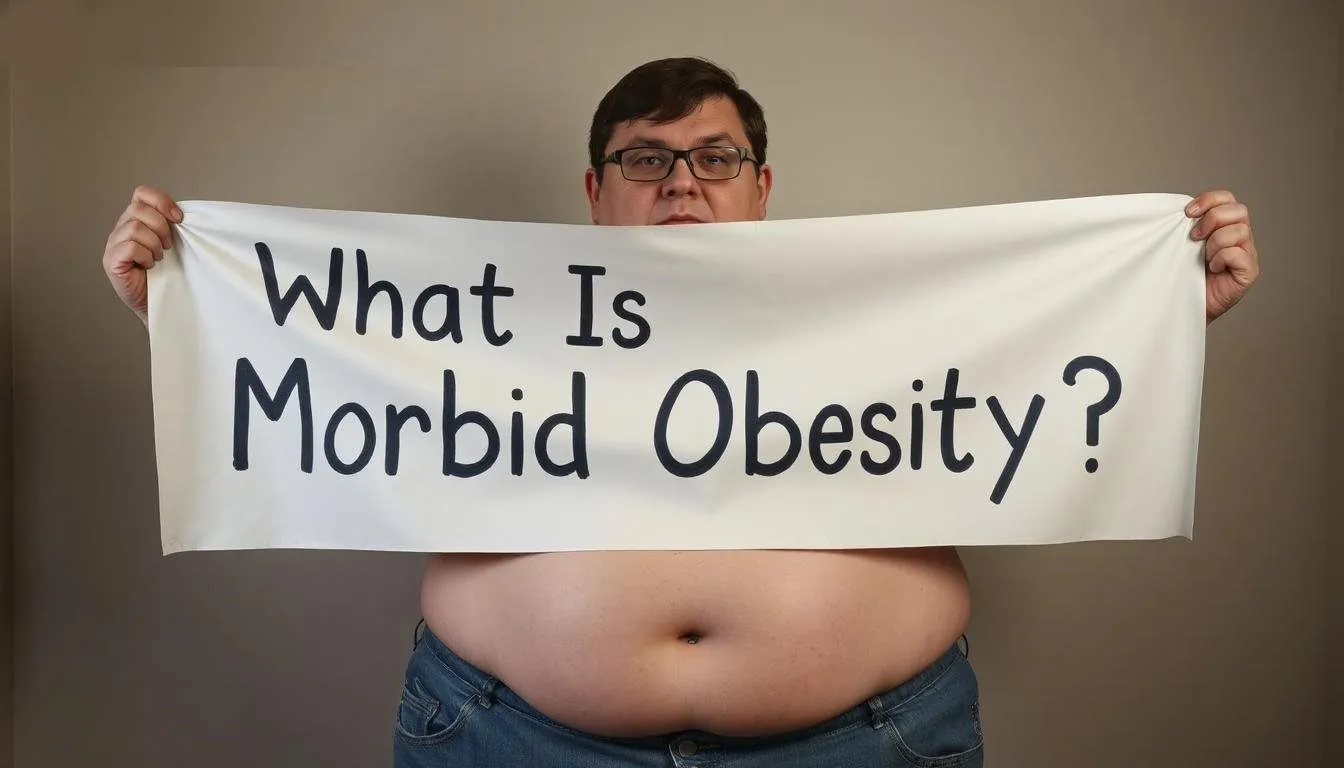
Morbid obesity is a serious health condition that can interfere with basic physical functions such as breathing or walking. Those who are morbidly obese are at greater risk for illnesses including diabetes, high blood pressure, sleep apnea, gastroesophageal reflux disease (GERD), gallstones, osteoarthritis, heart disease, and cancer.
You are be a candidate for non-invasive weight loss surgery if you meet any of the following criteria:
- You are more than 100 lbs. over your ideal body weight.
- You have a Body Mass Index (BMI) of over 40.
- You have a BMI of over 35 and have other medical conditions such as high blood pressure, diabetes, reflux, sleep apnea or high cholesterol.
-
BMI 20–25 (Overweight): Not eligible for surgery
-
BMI 30–35 (Obese): Not eligible for surgery
-
BMI 35–40 (Severely Obese): Potentially eligible for surgery (depending on health conditions)
-
BMI >40 (Morbidly Obese): Eligible for surgery
If your BMI is above 35 with any medical conditions such as Diabetes, High Blood Pressure, Sleep Apnea, Arthritis, Back Pain, Reflux, or High Cholesterol you will qualify for surgery.
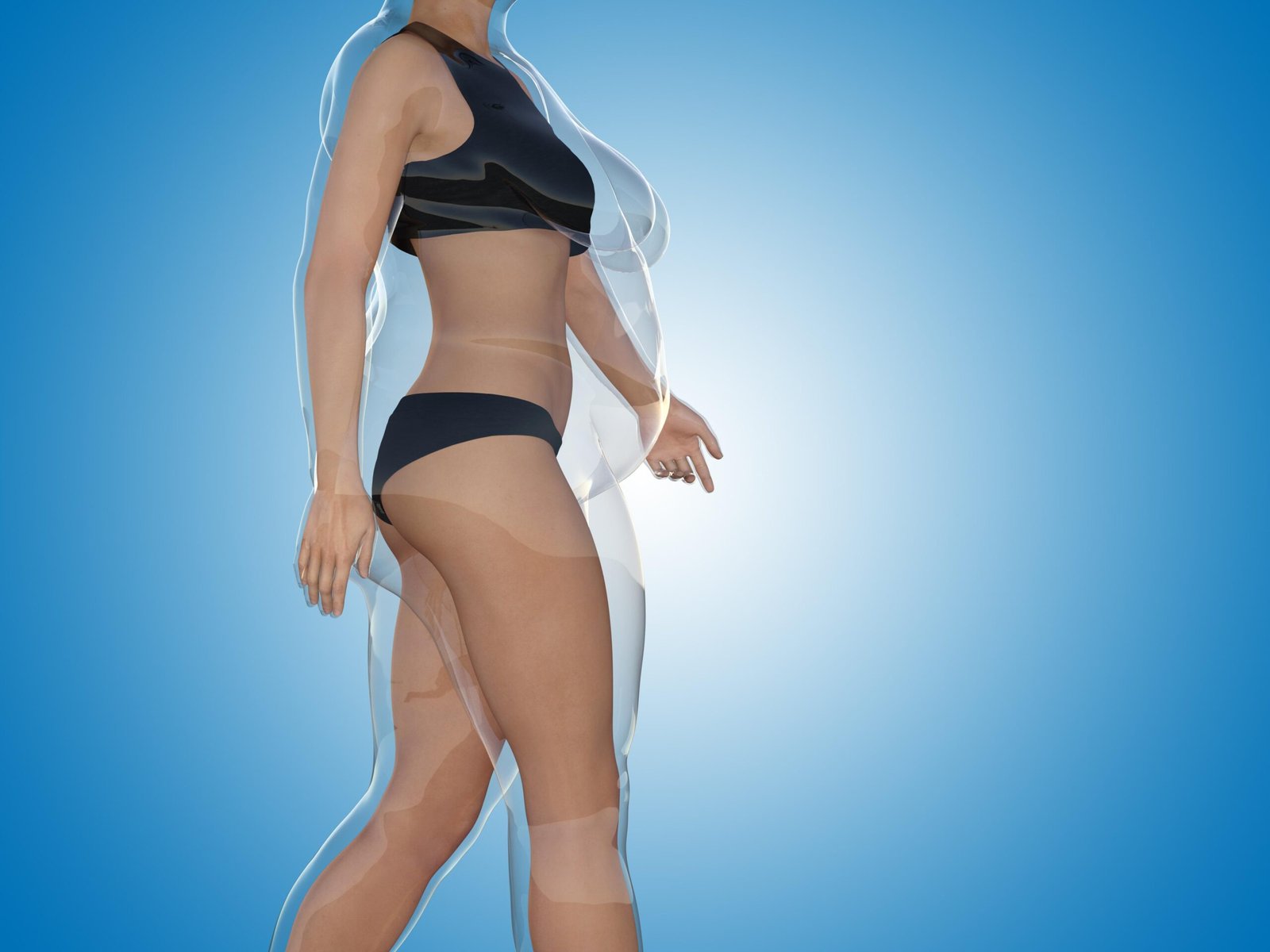
Understand Your BMI
- Underweight: <18.5
- Normal: 18.5–24.9
- Overweight: 25–29.9
- Obesity I: 30–34.9
- Obesity II: 35–39.9
- Obesity III: ≥40
20–25 Not eligible
30–35 Not eligible
35–40 Potentially eligible*
>40 Eligible
*Eligibility depends on clinical evaluation & comorbidities.
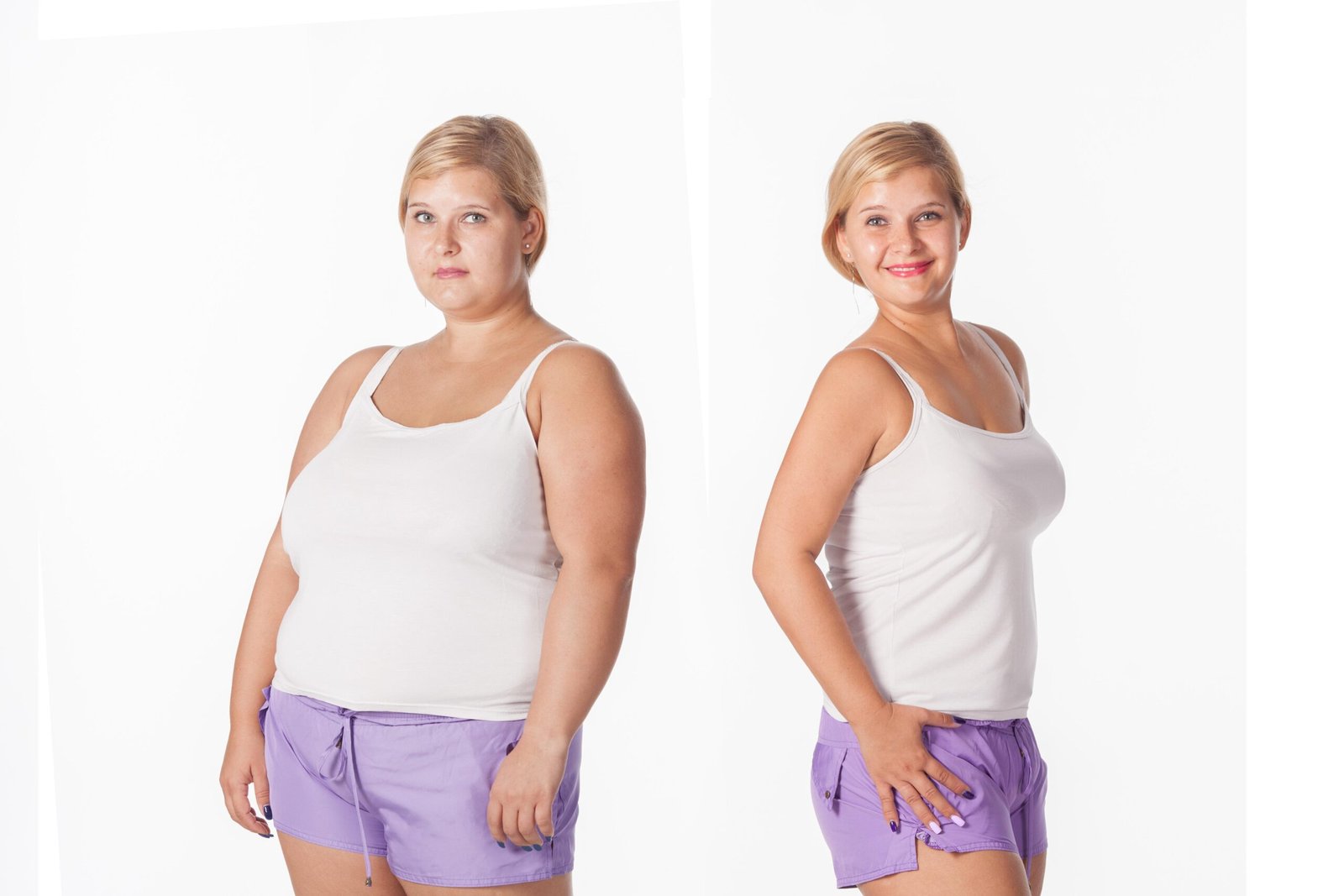
The following health problems are associated with morbid obesity:
- High Blood Pressure
- Heart Disease
- High Cholesterol Levels
- Diabetes
- Respiratory Problems
- Gastroesophageal Reflux
- Urinary Stress Incontinence
- Degenerative Arthritis
- Venous Stasis Disease/Ulcers
- Cancer
- Skin Infe
- Infertility
GASTRIC SLEEVE
LEARN MORE
Gastric sleeve (Sleeve Gastrectomy) is a weight-loss surgery in which a large portion of the stomach is removed, leaving a small, sleeve-shaped pouch that restricts food intake and helps reduce appetite.
Lap Band
LEARN MORE
Lap Band (Adjustable Gastric Band) is a weight-loss surgery where a silicone band is placed around the upper part of the stomach to create a small pouch, limiting food intake and promoting a feeling of fullness.
Gastric Bypass
LEARN MORE
Gastric bypass is a weight-loss surgery where the stomach is made into a small pouch and directly connected to the small intestine, reducing food intake and calorie absorption.
Our Locations
Choose your preferred location
Frequently Asked Questions
Is the procedure of non-invasive weight loss surgery really a help for those who feel like they cannot lose their weight?
In truth, this is a question that many people pose and they do so because they have been through a lot of different treatments with no success at all. This option is not some miracle treatment that will turn your life upside down. It is more of a gentle approach where your body can finally get rid of the old habits and cravings which are annoying you. The majority of the patients say that they got release at last and not the constant stress anymore.
When do people typically observe any changes or improvements?
Every individual has a different experience, however, many nevertheless begin to notice small changes quite early—such as feeling satisfied sooner or not snacking mindlessly. It is not a dramatic “before and after” situation; rather, it is like a gradual settling where your habit becomes slightly less troublesome.
Will I have to pause my job or regular routine after the treatment?
Not in most cases. That’s actually one of the reasons people lean toward this option. You might want a short rest, but it doesn’t require you to put your whole life on hold. Most people return to their usual day pretty quickly.
Do I need to follow a strict eating plan afterward?
No harsh diet rules. You’ll get some guidance so you know what supports your results, but nothing extreme. The idea isn’t to overwhelm you—it’s to help you build small habits that feel normal enough to stick with.
What makes the results last longer for most patients?
It primarily relies on the consistency of the simple habits that you build up afterward. The treatment makes it easier to lose weight by removing the things that made it impossible before. Many people say that when they were not fighting cravings or constant hunger, the discipline required for staying on track did not seem too heavy anymore. This is the reason that many people associate non-invasive weight loss surgery with a new phase that is not available through dieting alone.
Contact with us!
Your journey to better skin starts with a conversation—connect with us today.