

Pilonidal Cysts Specialist
What is a pilonidal cyst?
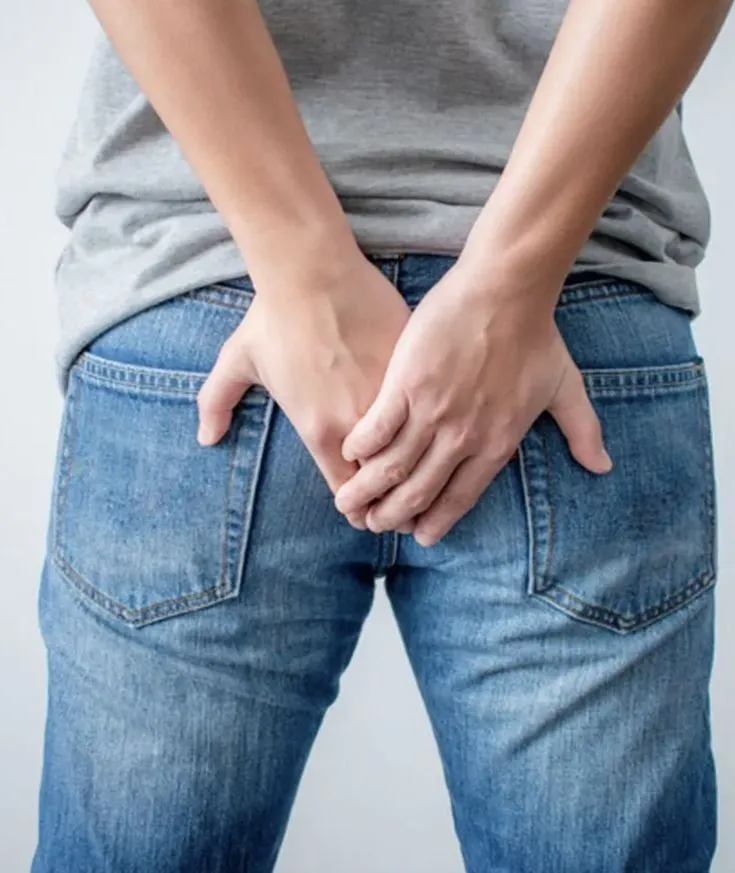
A pilonidal cyst is an abnormal sac or cavity that forms in the skin and contains fluids, pus, hair and other debris. Pilonidal cysts almost always form near the base of the spine at the tailbone or coccyx, and they occur more commonly among people who sit for very long periods of time, like long-distance truck drivers and delivery drivers, and among young people, especially males. A pilonidal cyst resembles a large pimple, forming just at the cleft of the buttocks where the buttocks meet the lower back. Researchers think some pilonidal cysts form as a result of an infected ingrown hair or following an injury or repeated “jarring” to the tailbone region; others have no specific or readily identifiable cause.
What symptoms are associated with pilonidal cysts?
Pilonidal cysts can vary in size, with more severe symptoms being associated most commonly with larger abscesses. Cysts appear red and swollen and can be associated with significant pain and tenderness, especially when sitting. Some cysts are associated with the leakage of foul-smelling pus, and more serious infections can cause fever.
How are pilonidal cysts treated?
Pilonidal cysts must be drained and cleaned of hair and other debris, a process commonly managed by pilonidal cyst specialists using precise clinical techniques. Once the cyst is drained, the skin surrounding the cavity must be closed using sutures or surgical staples. Cyst treatment can be performed on an outpatient basis using local anesthetics to numb the area combined with sedatives to help the patient relax. Often, a cyst can be treated using a special surgical technique designed to minimize the size and depth of the cavity to avoid the need to repeatedly repack the site with gauze during healing. In cases where the infection is severe, the wound may be left open and packed with surgical gauze to enable the area to heal completely. The technique used will depend on the size of the cyst and the extent of any underlying infection.

Testimonials
Words from our patients

“I’m a nurse and kind of difficult to deal with… Dr. Nihalani put me at ease on my first visit.”*

“Office staff was experienced and helpful, Dr.Nihalani’s bedside manner was proffesional and refreshing.”*
“Let me just say, this man saved my life…I have lost close to 100lbs and am far from where I was a year ago. I couldn’t thank them all enough.”*

“Dr. Nihalani gave me my life back. He have save my life. I could not walk, and now I walk twice a day and I feel so good and I can play with my grandson again”*
“Dr. Nihalani Paid Special attention and took extra precautions to make me feel at ease with the decision to literally save my life.”*
“Dr Nihalani is a amazing dr and person, I am so grateful to have been lucky enough to end up in his office. He has made my life whole again”*
“Dr Nihalani is one of most caring,genuine surgeons. I have recommended him very highly and will continue to do so.”*
“Dr. Anish Nihalani is a highly-qualified, caring doctor. I would recommend him to anyone who wants a good, compassionate doctor.”*
“Dr Anish Nihalani was my number 1 choose for my gastric sleeve , I have no regrets on getting that surgery”*
“Best Dr by far… he has truelly changed my life!! I would recommend him to anyone who asks!”*
“He is a great doctor, always addressing your concerns, explains everything in detail he is fabulous.”*
Thank you Dr Nihalani for changing my life for the best! You and your staff and very professional and make your patients feel very comfortable with the whole process!”*

“This office has changed my life. Dr. Nihalani, Sara Shama, and the staff have been my guide, mentors and strength on my journey.”*
“Dr. Nihalani is a caring & wonderul Dr. I have lost weight and my self esteem is better. Thank you Dr. Nihalani “*
“Attentive to the patient’s needs by having good listener skills, Treats patient as a family member than a number, relatable with good bedside manner. “*

Our Locations
Choose your preferred location
Frequently Asked Questions
Is a pilonidal cyst something that suddenly appears, or does it build up slowly?
Most people don’t even notice anything until it’s actually bothering them. It sort of sneaks up. One day the spot feels a bit sore, you ignore it, and then suddenly it’s swollen or tender and you’re like, “Okay, something’s definitely going on.” It’s usually been forming underneath long before you realize it.
Why does the area near the tailbone get irritated so easily?
It’s just a tough area—lots of sitting, pressure, sweat, hair… all the things that annoy the skin. It doesn’t get much air, either. Even small stuff like sitting too long or wearing tight pants can make that area cranky pretty fast.
Do all pilonidal cysts turn into something serious?
No, not all. Some just sit there and bug you now and then. Others act up, get infected, or make sitting uncomfortable for days. It really varies. Some people barely deal with it; others can’t ignore it at all.
If a cyst drains on its own, does that mean it’s healed?
Not really. It might feel like relief because the pressure goes away, but the little pocket under the skin usually stays. So the problem tends to circle back around eventually. It’s more like a temporary break than a real fix.
When should someone think about meeting pilonidal cyst specialists?
If it keeps coming back or the spot just won’t stay calm, that’s a good time. When you’re tired of the whole cycle and want an actual plan instead of hoping it behaves, that’s when pilonidal cyst specialists make the most sense.
Are there small habits that actually help?
Yeah, a few. Keeping the area dry, trimming the hair, wearing softer clothes, not sitting for hours without shifting—little things like that. They’re simple but they do help the area stay less irritated overall.
Contact with us!
If you have any questions, concerns, or comments, please fill out the short contact form below.