

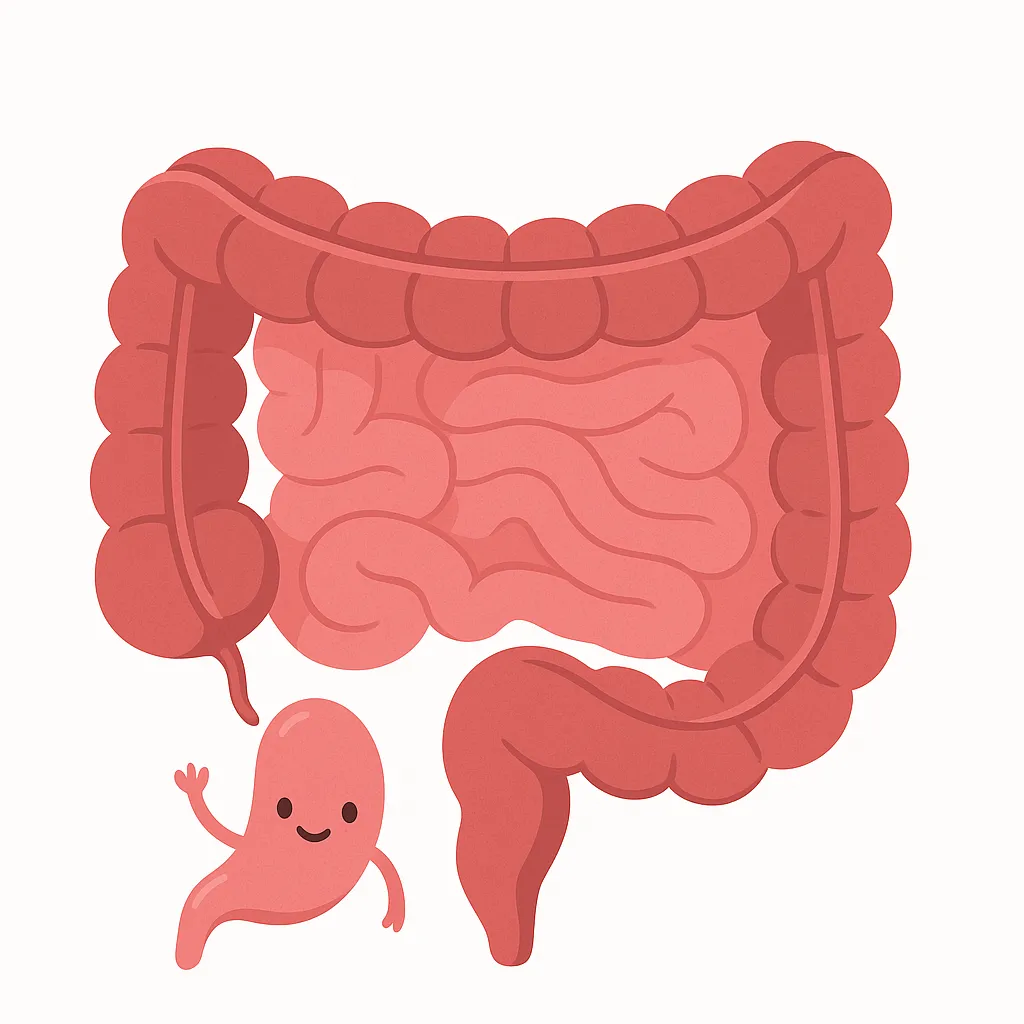
Minimally Invasive Treatment for Appendicitis
Appendicitis is inflammation of the appendix, a small tube like structure near the junction of the small intestine and the large intestine. If untreated, it can rupture, causing infection and even death.
The best treatment of appendicitis is its surgical removal. Laparoscopic Appendectomy is a surgical technique that involves making 3-4 small cuts over the abdomen A laparoscope (a tiny telescope connected to a video camera) is inserted through a cannula, giving the surgeon a magnified view of the patient’s internal organs on a television monitor. Several other cannulas are inserted to allow the surgeon to work inside and remove the appendix. In a small number of patients for safety purposes, there may arise the possibility of converting the laparoscopic procedure into an open one.
Laparoscopic Appendecetomy can result in less pain, quicker healing, improved cosmetic results, and fewer complications. Most patients can be discharged on the same or following day as the surgery, and most patients can return to normal activities in about a week.*
Our Locations
Choose your preferred location
Frequently Asked Questions
How does someone usually figure out if appendix pain needs surgery?
Appendix pain tends to act stubborn. It doesn’t drift in and out like gas or cramps. It sticks around, gets sharper, and usually moves to the lower right side. People often say they can’t stand up straight without feeling that pull. If the pain keeps building, you’re throwing up, or you’re running a fever on top of it—most doctors treat that as a pretty strong sign the appendix is causing trouble.
What actually makes the laparoscopic method easier afterwards?
The biggest difference is that the cuts are tiny. The camera does most of the “looking” inside, so the body doesn’t get opened up as much. That alone makes everything from standing up to walking feel less heavy. A lot of patients say they were worried before surgery, but afterward they’re surprised by how fast the soreness settles compared to what they imagined.
How long before daily life feels normal again?
The first day or two feel slow—moving around takes a bit of care. By the third or fourth day, many people start feeling more like themselves. Work that doesn’t involve lifting often starts up again within a week. Anything that needs bending or strength usually waits a little longer. It’s not instant, but it’s far quicker than the old open surgery recovery people used to talk about.
Do the stitches need to be taken out later?
Most of the time, no. The stitches used for the tiny cuts are usually the kind that fade away on their own. The follow-up appointment is mainly just the surgeon taking a look and making sure the healing is moving in the right direction.
What should be avoided right after coming home?
Anything that forces the belly to tense up—lifting heavy bags, pushing furniture, tough workouts, even twisting too hard when getting out of bed. Light walking is fine and actually helps. But anything that makes the stomach muscles “push” should wait, so things inside can settle without strain.
Can appendicitis happen again after the appendix is out?
Once the appendix is removed, that’s the end of it. There’s nothing left to get inflamed again. Stomach aches later in life can still happen for normal reasons, but not from appendicitis anymore.
Contact with us!
If you have any questions, concerns, or comments, please fill out the short contact form below.